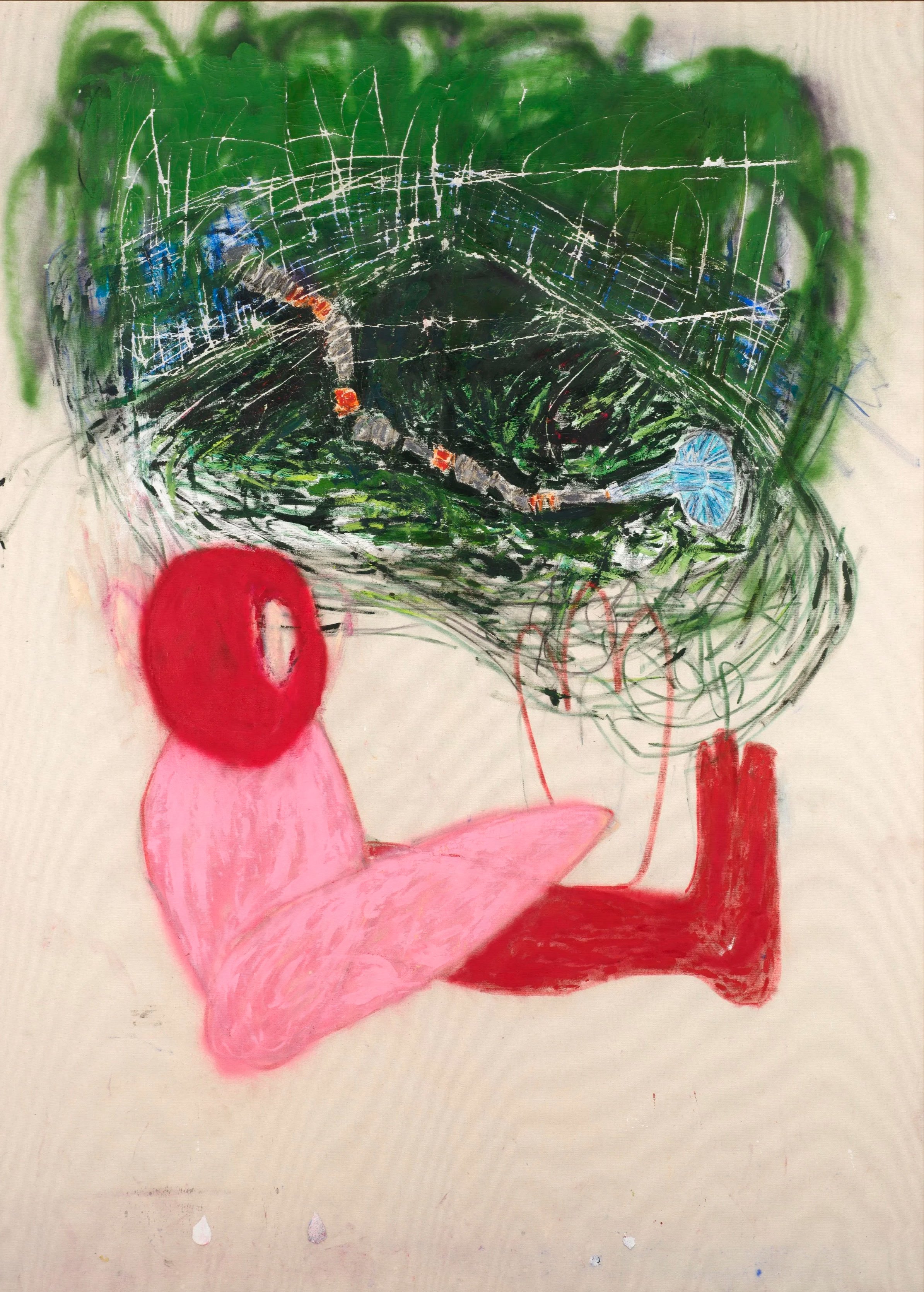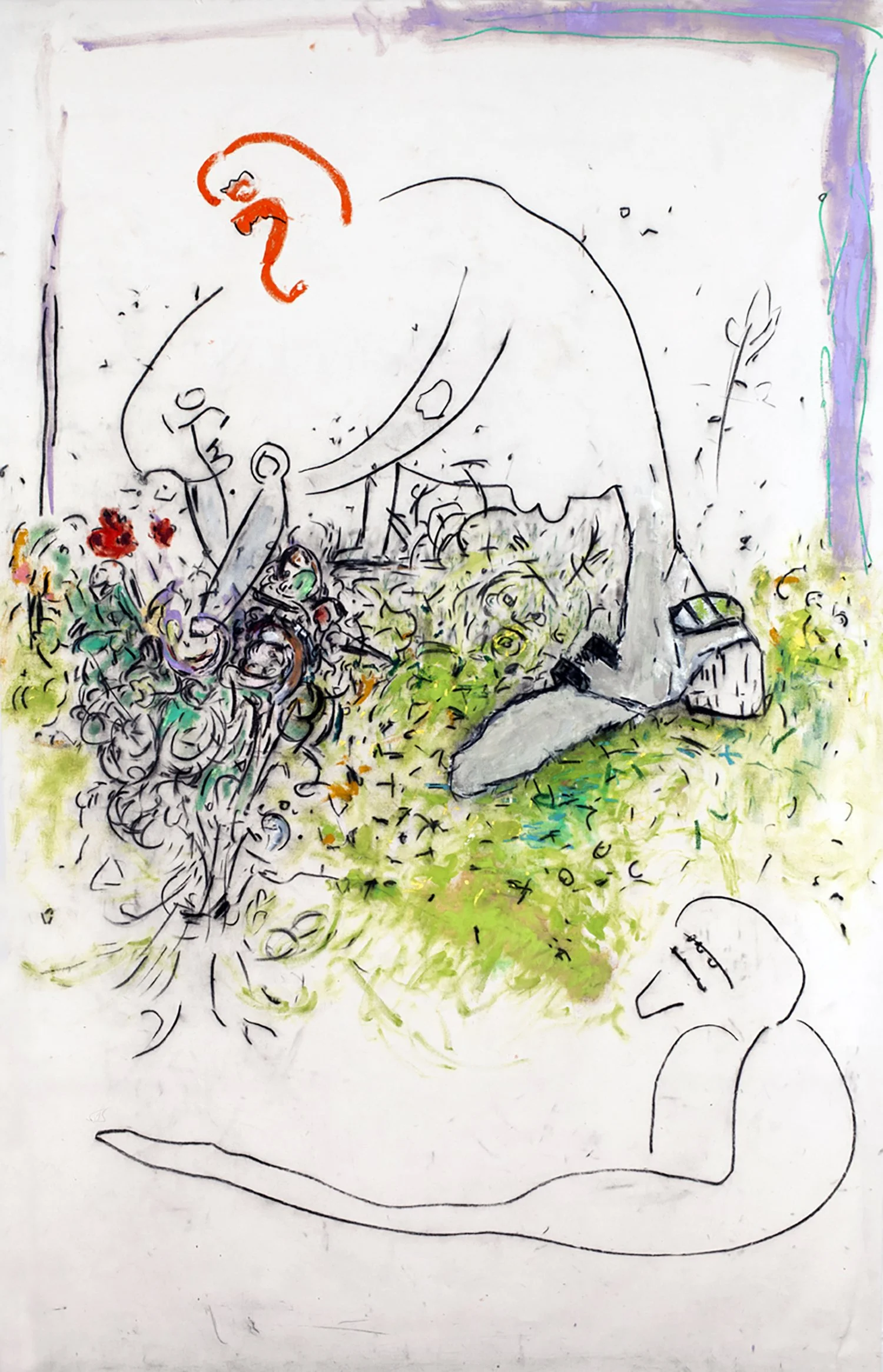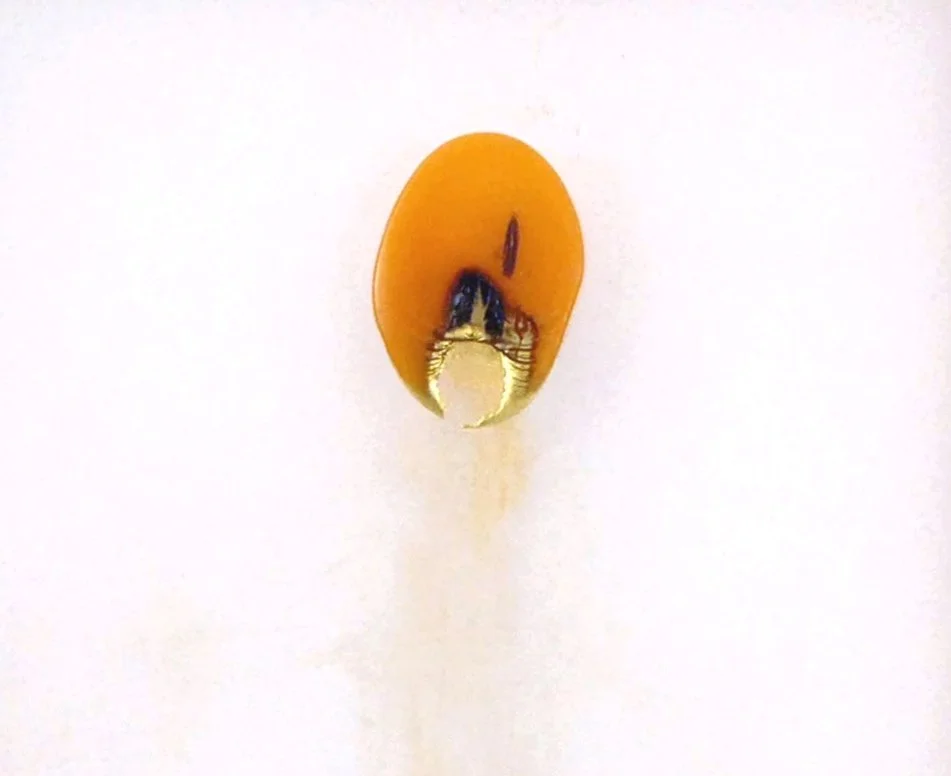
12.02 – 15.02.2026
S.O.S — Save Our Souls
Ambidexter Gallery, Istanbul
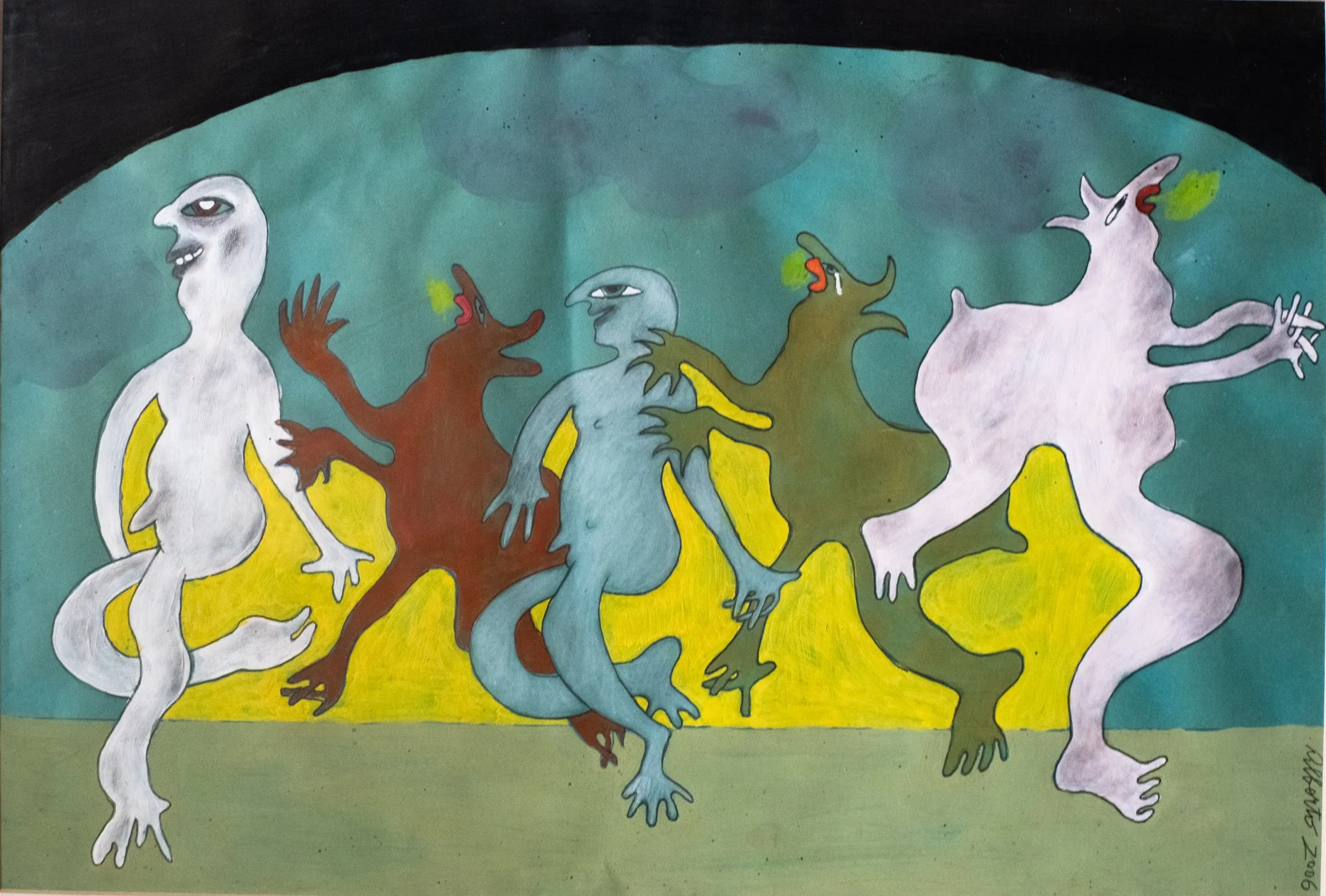
They are trapped, but they keep moving.
To places where things overlap. Time stretches and folds. People drift without fully arriving. Feels like Istanbul at night: streets layered over other streets, bars open late, animals watching from corners, bodies passing between alertness and sleep.
Sleepwalkers cross it constantly — a waiter, a nun, a couple. Some walk naked. Some walk blue. Some walk twice, leaving a second outline behind them. A late-night bar, a cab passing by. People argue softly. Others kiss. Someone laughs too loud. Someone says “fucked-up” and means it. An art critic sits alone, counting faces, trying to decide which one is real.
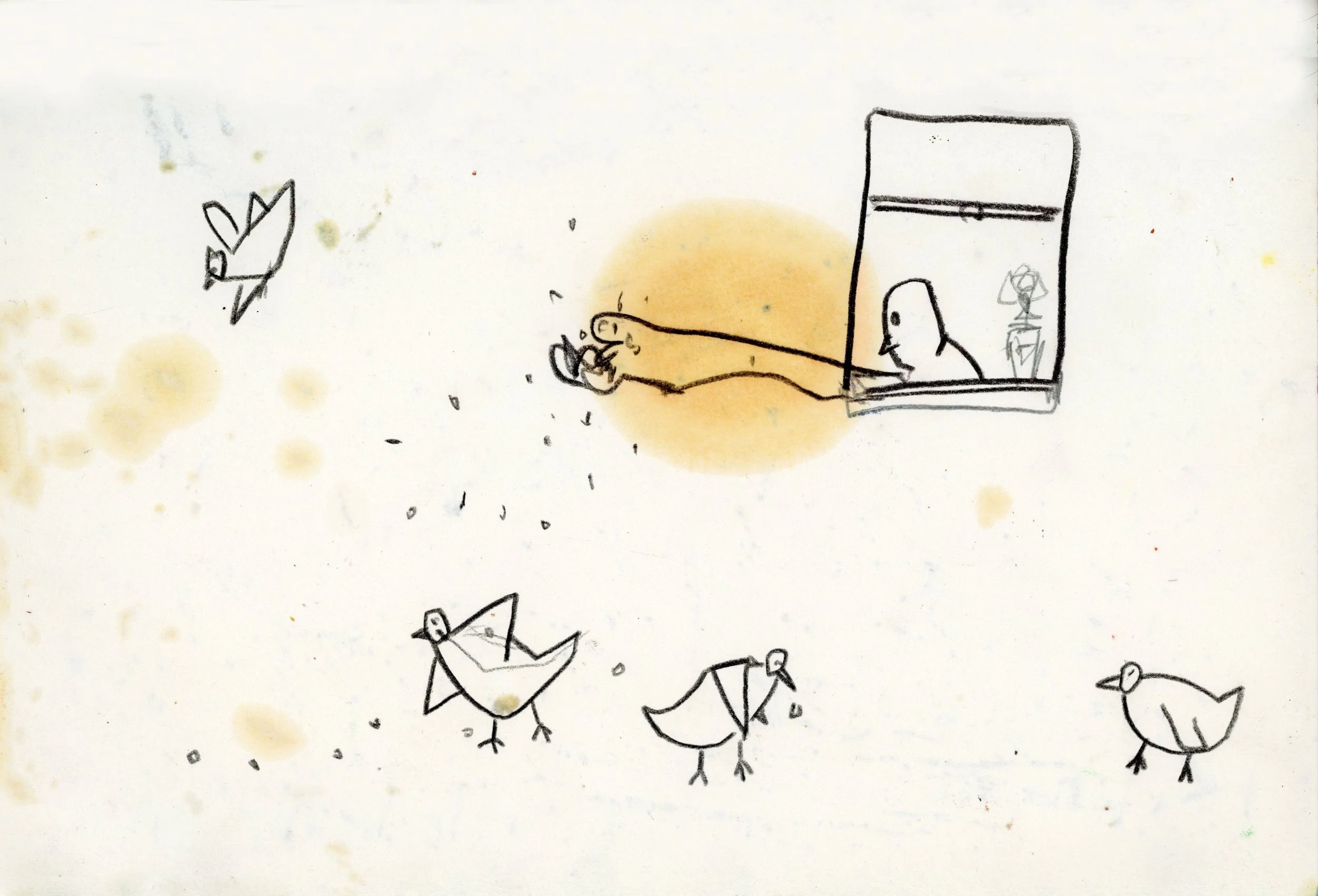
Outside, animals observe. A blue dog, a night cat, a purple cow, a golden duck, a puma, a tennis wolf. A black chicken, a drying chicken, a frog eating a bat. They have seen this before. Someone feeding the pigeons.
Feet think on their own. Hearts try to build shelter. Faces blur, split, tie themselves into knots. A man rides another man’s head. A woman stands half inside a window, half outside. Someone is pissing. Someone is washing up. Someone is having sex in a hospital and pretending it’s normal. Rules appear on walls: don’t smoke in the house, stay away beer, no change. Nobody follows them.
Some souls are tired, dream of monkeys and tigers, some dream of being famous, others whisper good riddance.
Arguments happen everywhere: on trains, in taxis, before marriage. They never resolve. They shift. A soft argument becomes another argument, then two friends, then liars, then silence.
God is in the toilet. Twice. No one is surprised.
Essay by Paul D’Agostino*
Gaspar Martinez has a painterly tendency to couple energetic, gestural mark-making, bold line work, vibrant palettes, sparely textured surfaces, and variably quirky compositional choices with a quietly humorous, subtly critical sense of curiosity. His subjects of playfully abstract representation have been fgures and things, places and rooms, objects real and imagined, and formal riffs on explorations of color and geometric abstraction. In Nausea, the London-based Argentinian painter coheres most all such expressive means and modes in a body of work merging notions of distaste, disgust, and questionable utility with ideals of rather improbably sourced joy, grace, and beauty.
This is how we fnd ourselves not repulsed at all by a large painting of a toilet brush, towering and teetering in the corner of a powder blue washroom, rather unexpectedly charmed by it. This is why we look at a nimbly drawn rendering of an orange-lined toilet tank in a shadowclad water closet and see the dangling fush cord and baby blue faucets as not even slightly unpicturesque, but instead familiarly tangible, even strangely friendly. We might not have imagined tracking down the home of an old man we don’t know so that we can ask to have a peek at his lovely bidet, but we might want to do precisely that upon seeing Martinez’s treatment of one of these peculiarly shapely bathroom features in brilliant, gleaming green, jutting out from a goofly gridded wall of earthy red tiles.
As with the hoovers, drying racks, pool cleaners, bathtubs, dental foss, razors, and beard trimmings featured in other works, Martinez found himself initially disgusted by all of the toilet related objects, only to then be increasingly intrigued by them. His subjects are items of physical upkeep and personal hygiene that are so quotidian we might hardly notice them, unless we fnd them distasteful or gross, whereby we’re not wont to shower them with aesthetic attention, curiosity, and pathos. Moreover, they’re such commonplace objects of domestic existence that it’s easy for their formal or design-related beauties, in some cases, to escape our notice, or for their unnecessary clunkiness or stupidity of perceived convenience to not register in our minds, even as we use them. All the same, the artist is no more interested in conveying puerile bathroom humor than he is in making claims about the ills of consumerism. His implicit statement with these works is of a much simpler sort: These objects might be disgusting, wonky, or easy to ignore, but they’re also extremely interesting to paint and, as it turns out, quite surprisingly engaging to look at in paintings.
Martinez takes the title for his show, Nausea, after the eponymous novel by French philosopher Jean-Paul Sartre. It tells the tale of Antoine Roquentin, a peevish, embittered protagonist whose solitary life and general despondency leave him sensing existential dread and meaninglessness everywhere, including in the most mundane objects of his everyday surroundings. But Martinez wasn’t inspired by the book to make the paintings; he discovered it only after several of the works were underway. This thematic coincidence convinced him to continue his painterly exploration of how certain things might nauseate or disgust us – or at best, seem patently uninteresting – while also eliciting feelings of pleasure or joy. Consider this as you view Martinez’s works. Enjoy the latent nausea of his curiously pleasing show.
*Paul D’Agostino is an artist, writer and curator.
13.10 – 13.11.2022
Martinez / Martinez - Recuperar lo sagrado (Duo)
“En los pensamientos del hijo que pinta, está el padre que pintaba, aquel que dibujaba en el reverso de las cartas con las que a la distancia mantenían cercanía. Esa sensibilidad la heredó el hijo, no porque lo llevarán en la sangre, dice él, sino porque al final, la
retina de uno nace de la retina del otro y estaba en el aire que respiraban. En esta exposición, padre Alberto e hijo Gaspar vuelven a estar juntos, frente a frente como aquel primer encuentro, el del nacimiento, imborrable en la memoria. A partir de ese momento, la vida del padre estuvo llena de acontecimientos y de creación, de afecto a la distancia, de marginalidad elegante, de autenticidad y de saber vivir de pie, incluso después de perder varios de sus dedos en el invierno patagónico. La vida del padre se ha ido, pero el mensaje permanece en el hijo: “Para delante Gaspar, siempre para adelante”. El tiempo hace lo único que sabe hacer: transcurrir, sin detenerse a ver si estamos o no a la par, con la nostalgia como única ventana con vista a un pasado que cada vez se parece más a la bruma en los sueños. Después de la muerte la distancia es infranqueable y los puntos de encuentro inaccesibles... salvo en el arte. Ahora la vida de uno se ha trasladado a su obra, ambos vuelven a dialogar y ese anhelado reencuentro que no creemos posible sino hasta algún momento en el más allá, ocurre aquí mismo. Padre e hijo, recuperan lo sagrado: la compañía mutua, incluso en la palabra muda. Alberto y Gaspar hoy se hablan, tan lejos y tan cerca”.
25.11 – 13.01.2016
Jardin del Espolio
First Solo show of artist Gaspar Martínez at Cosmocosa.